
Modern life looks different now...
There was a time when carrying the same things every day simply worked.
You'd leave home in the morning, head to work, and return later that evening. The things you carried rarely changed, and neither did your routine.
Today, we live differently.
A single day might take you from home to a café, into the office, through the airport, and somewhere entirely different before the day is over. Our laptops move between workspaces, our cameras come along for weekends away, and our essentials travel with us wherever the day leads.
Our lives have become more flexible.
The way we carry hasn't.
The Way We Carry Was Built for a Different World
For decades, the way we designed everyday carry made perfect sense.
We created solutions around individual moments.
A briefcase for work.
A backpack for travel.
A camera bag for photography.
A tote for everyday errands.
Each one was built around a specific destination or purpose, solving one particular moment in time.
The problem is that our lives no longer fit neatly into those categories.
Today, we move fluidly between work, travel, everyday errands, creative projects, and everything in between. A laptop might leave the office and end up at a café. A camera might come along on a business trip. A passport might sit beside your notebook on an ordinary Tuesday.
Yet many of the ways we carry are still designed as though those parts of our lives exist separately.
They're built for destinations.
Not the transitions between them.
And somewhere along the way, switching between different ways of carrying became the accepted solution.
We stopped asking whether the problem was really our routine.
Or whether it was the way everyday carry had always been designed.
The Hidden Cost of More
When every solution is designed to serve one specific purpose, adding another one feels like the obvious answer.
A backpack for travel.
A sling for weekends.
A briefcase for work.
A larger carry for longer trips.
Over time, what starts as a simple solution quietly becomes an ever-growing collection.
At first, it feels like you're becoming more prepared.
But the more specialised your carry becomes, the more responsibility comes with it.
You begin moving your essentials from one setup to another. Chargers, wallets, keys, headphones, notebooks and other everyday items are constantly being packed, unpacked and repacked depending on where you're going that day.
Sometimes something gets left behind.
Sometimes you carry more than you need.
And sometimes you find yourself standing in front of everything you own, deciding which setup makes the most sense before you've even walked out the door.
The friction isn't caused by carrying more.
It's caused by managing more.
Somewhere along the way, we accepted that this was simply part of modern life.
Maybe it doesn't have to be.
Maybe We've Been Solving the Wrong Problem
For years, we've treated every new need as a reason to add something new.
A bigger carry for travel.
Something smaller for weekends.
Something more professional for work.
Something more practical for everyday life.
It seems logical because it's the solution we've always known.
But what if we've been solving the wrong problem?
Instead of asking, "What do I need to buy for this?" perhaps the better question is, "Why can't what I already carry adapt to this?"
The goal shouldn't be to own a different solution for every part of your life.
It should be a system that moves with you as your life changes.
That's the philosophy behind Adaptable Carry.
Rather than designing products for a single destination, Adaptable Carry is designed around the transitions between them. It evolves with your day instead of asking you to reorganise it. Whether you're heading to work, catching a flight, meeting friends, or doing all three in the same day, your carry should adapt without forcing you to start over.
Because the future of everyday carry isn't about owning more.
It's about carrying better.
Why We Built Evimore
We started Evimore with a simple belief.
Modern life isn't becoming more predictable.
It's becoming more dynamic.
The products we rely on should evolve alongside it.
That's why we don't think of ourselves as a bag company.
We think of ourselves as building a better way to carry.
One that's designed around movement instead of destinations.
One that's adaptable instead of fixed.
One that stays with you as your life changes, rather than asking you to change every time your day does.
Because we don't believe people need more to carry.
We believe they need a better way to carry.
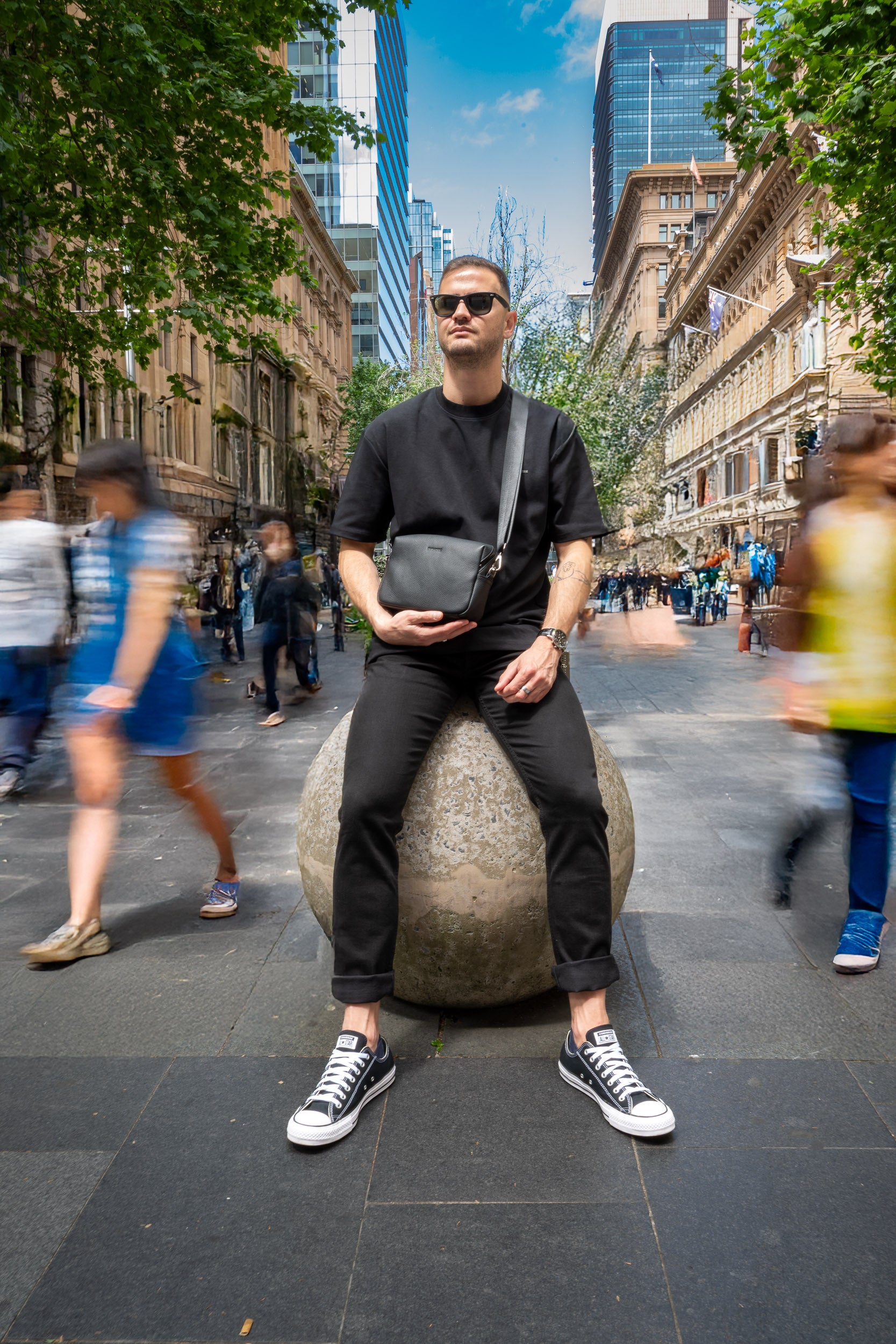
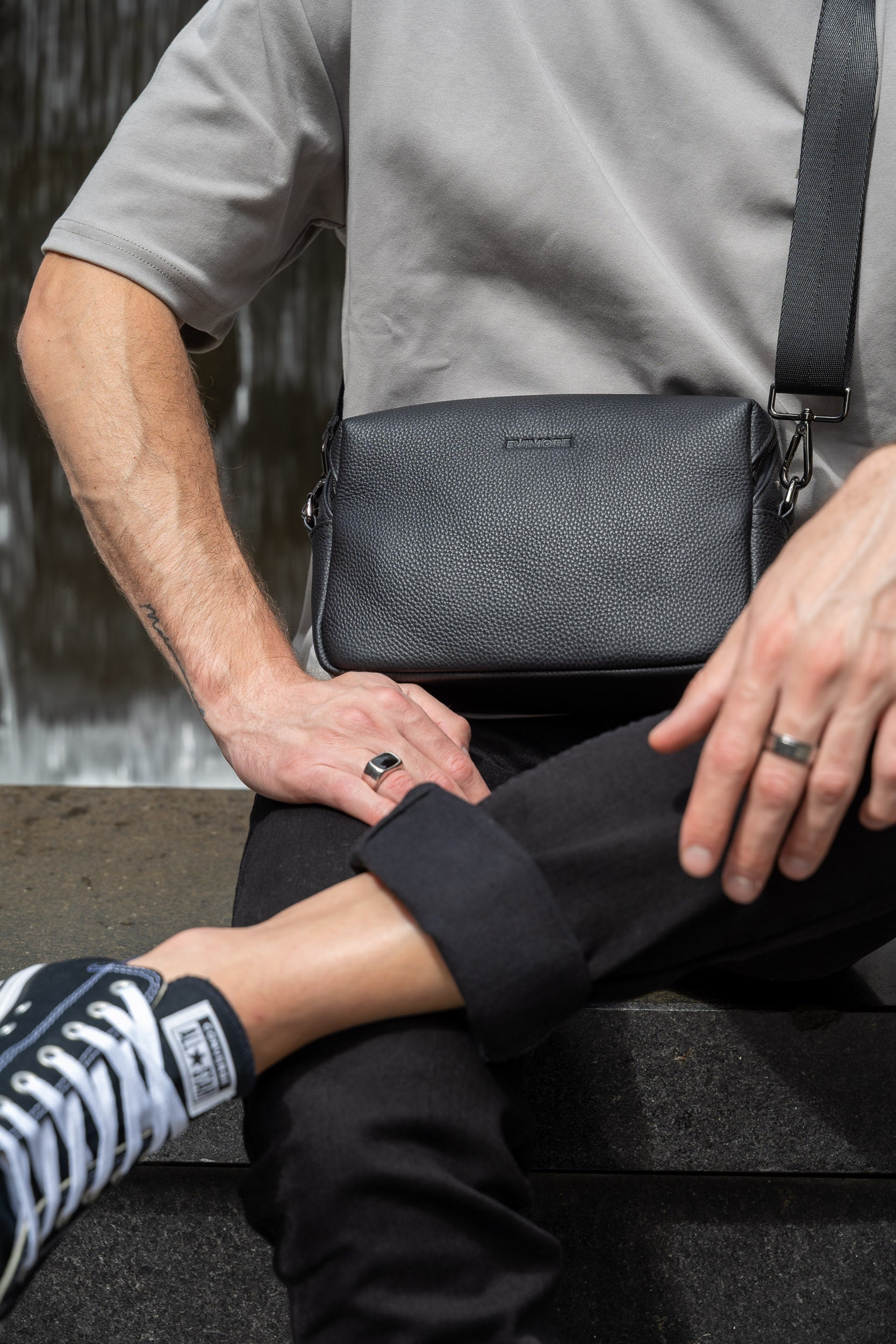
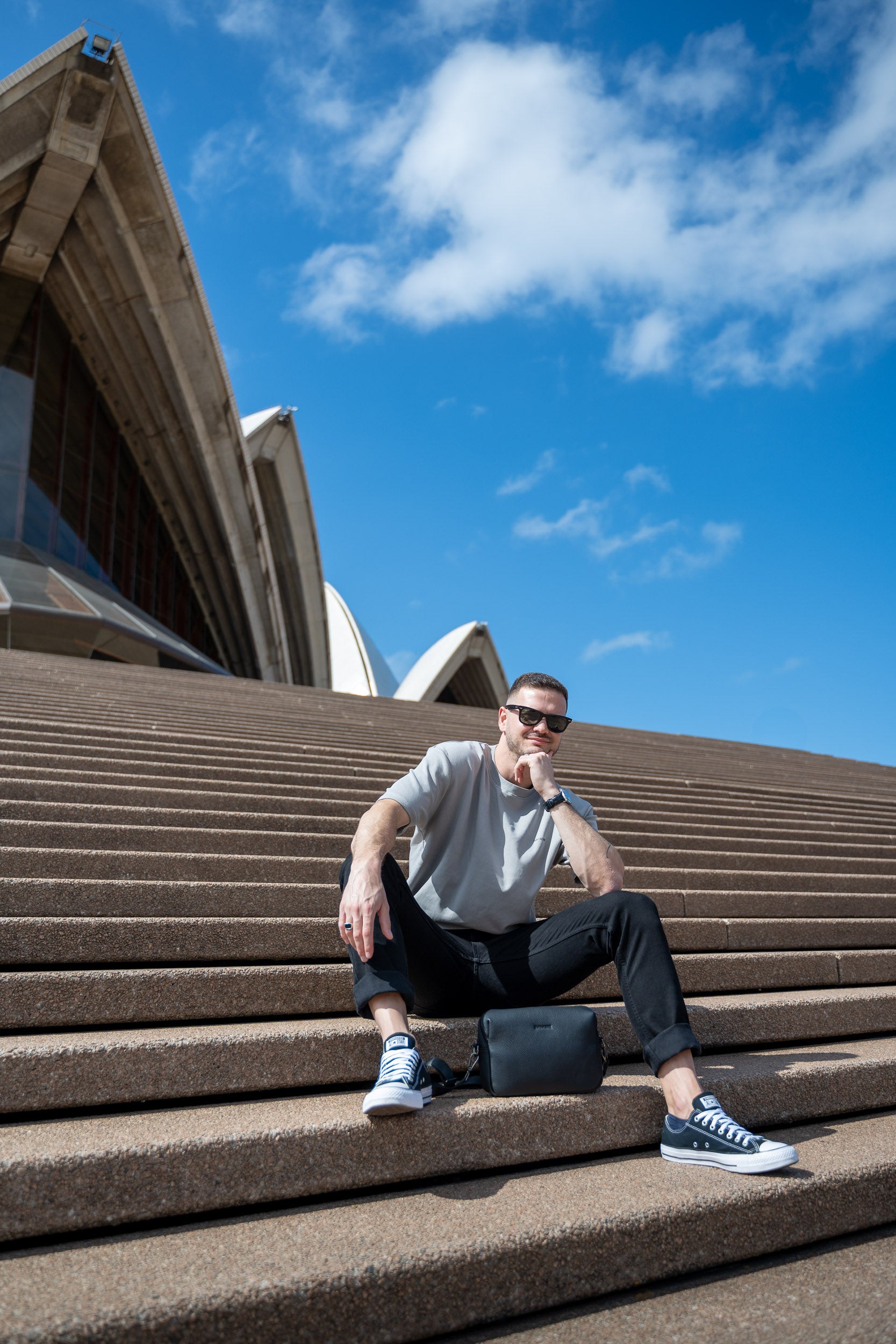
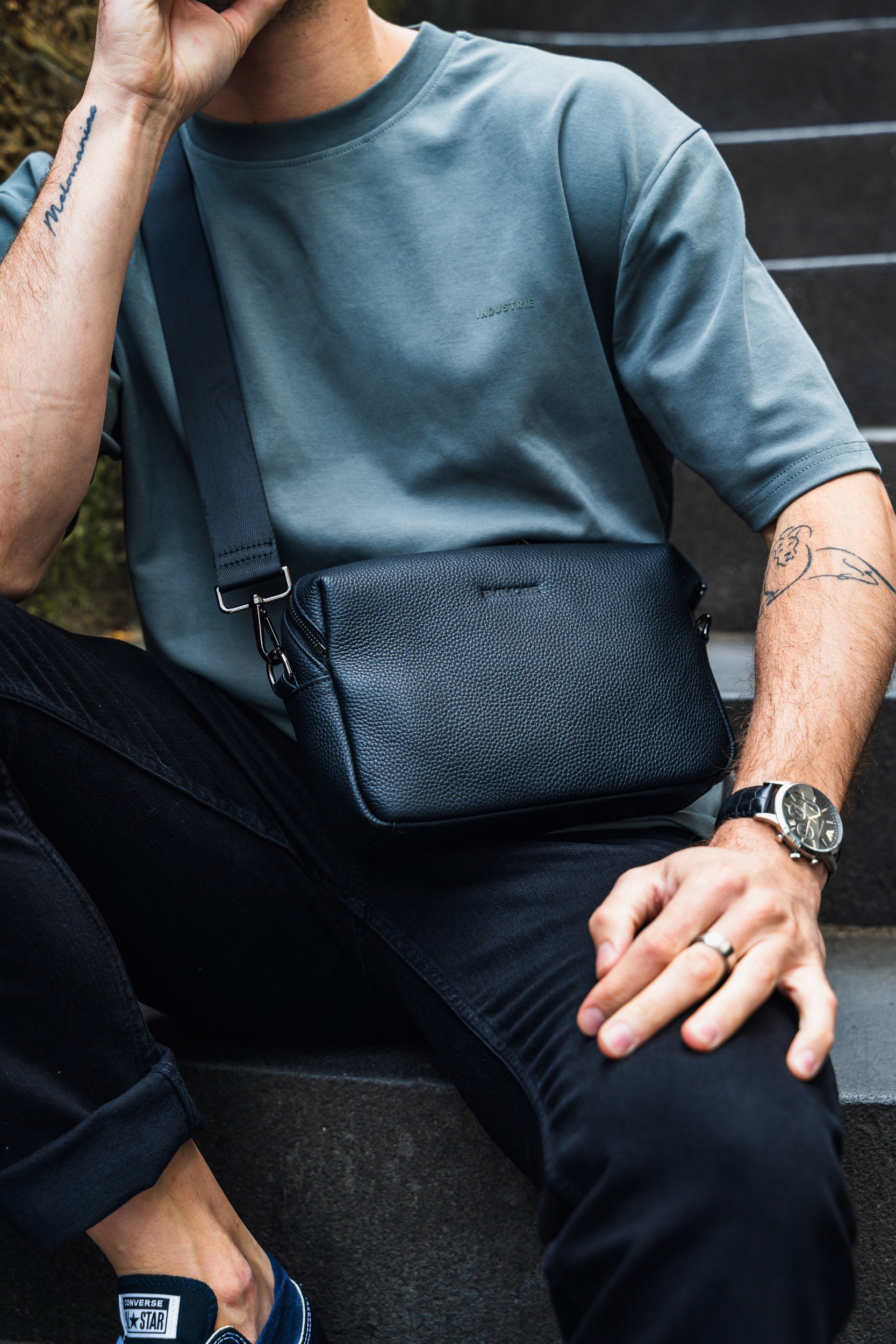
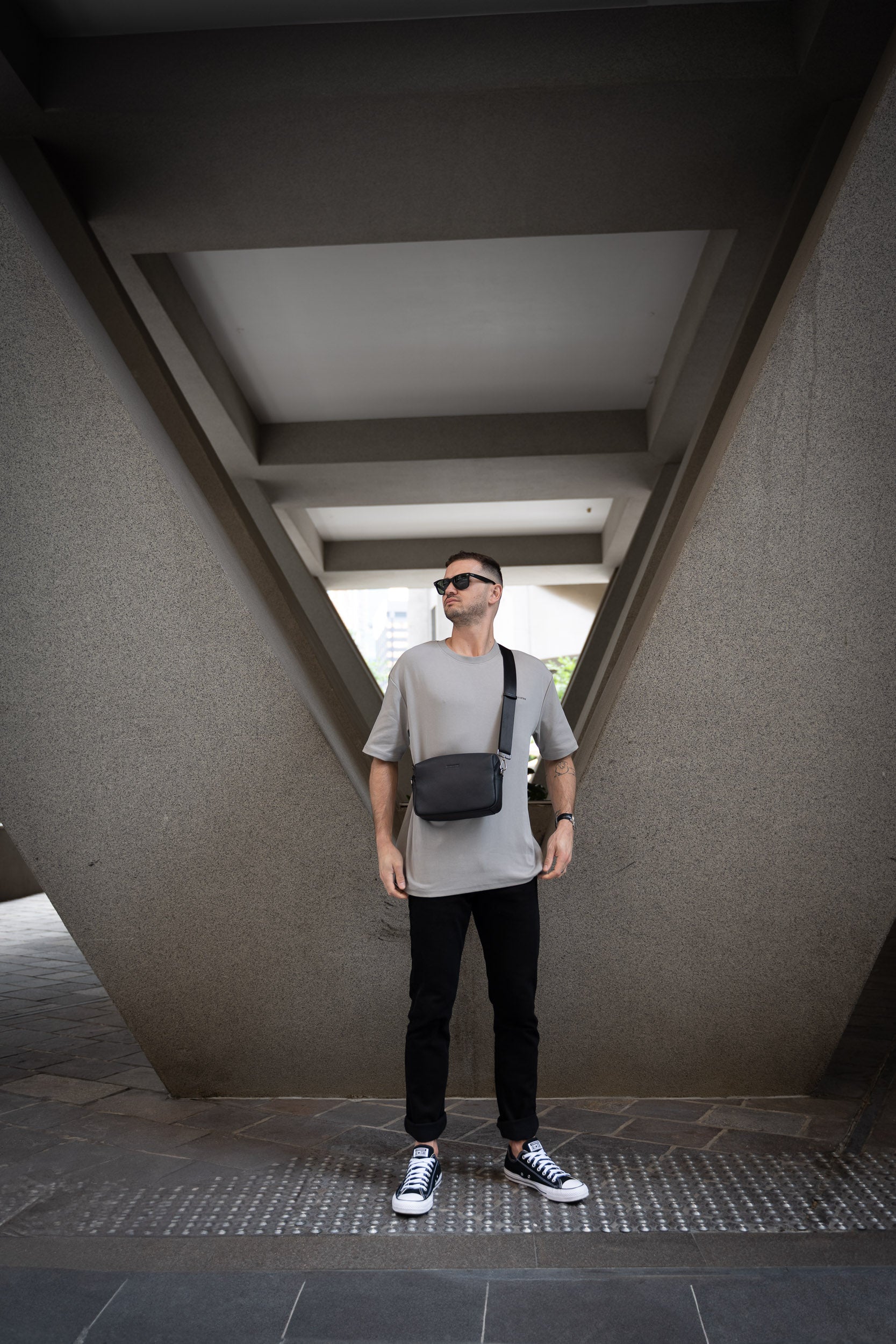
Curious what Adaptable Carry looks like? Start with Motion—our first expression of the philosophy.

Leave a comment
This site is protected by hCaptcha and the hCaptcha Privacy Policy and Terms of Service apply.